
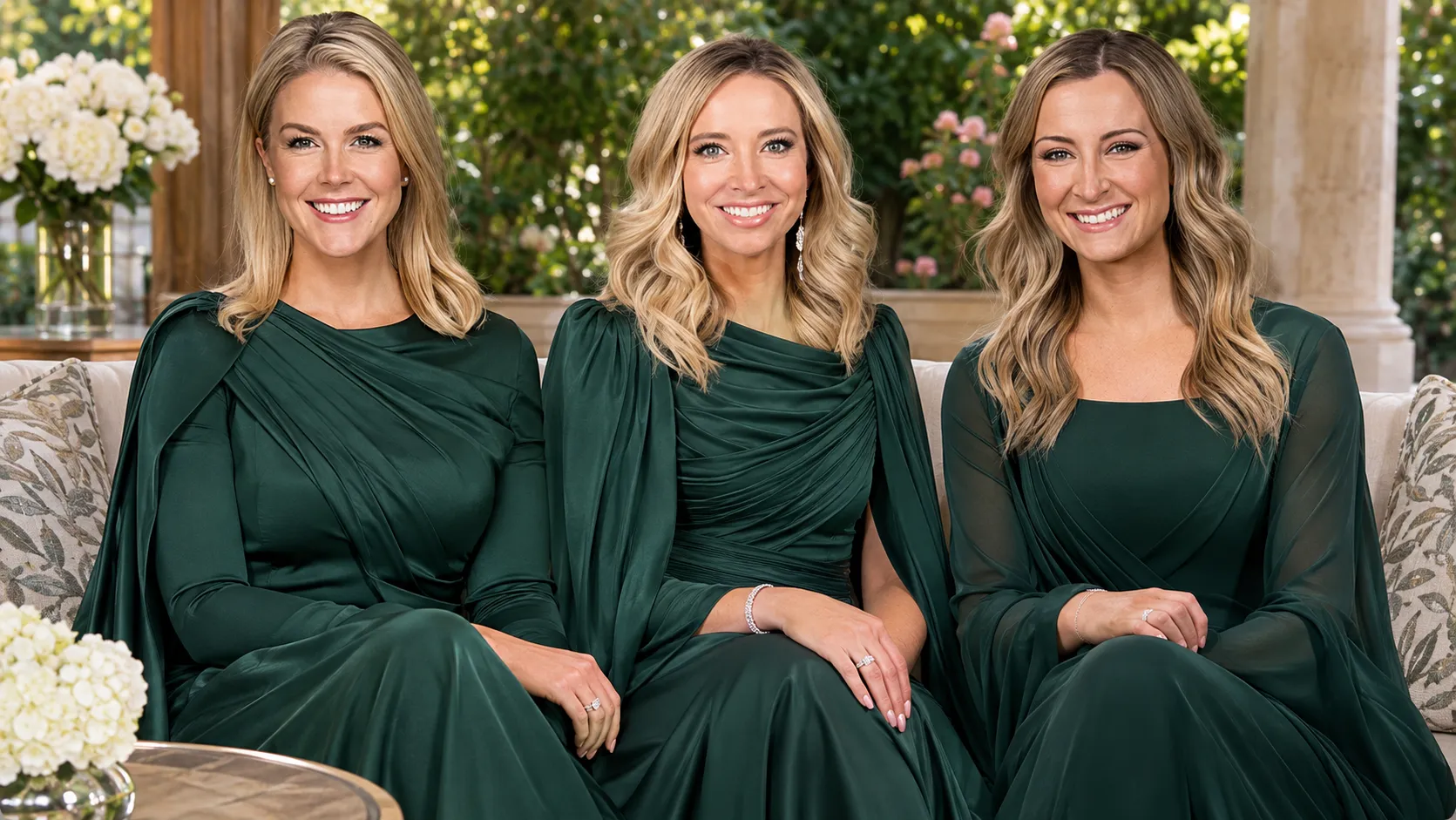

The Trump press secretary list includes the officials who communicated President Donald Trump’s administration’s positions to the public and the media. During Trump’s first presidency, from 2017 to 2021, four people held the position: Sean Spicer, Sarah Huckabee Sanders, Stephanie Grisham, and Kayleigh McEnany. During his second presidency, Karoline Leavitt became press secretary in January 2025 and left the role in August 2026. The position matters because the press secretary answers reporters’ questions, explains administration policies, and responds to major news events. Understanding this list helps readers follow changes in White House communication over time.
Complete Trump Press Secretary List
The main names in the Trump press secretary list are Sean Spicer, Sarah Huckabee Sanders, Stephanie Grisham, Kayleigh McEnany, and Karoline Leavitt. The first four served during Trump’s first term, while Leavitt served during his second term. Each official brought a different background and communication style to the White House. Their tenures also reflected changing political priorities and relationships with the press. Although the role remained the same, the way each press secretary communicated with journalists differed. Some held regular briefings, while others appeared less frequently before the White House press corps.
Here is a quick overview of the five press secretaries and their service dates. Sean Spicer served from January to July 2017, followed by Sarah Huckabee Sanders from July 2017 to July 2019. Stephanie Grisham held the position from July 2019 to April 2020, and Kayleigh McEnany served from April 2020 until January 2021. Karoline Leavitt began her second-term tenure on January 20, 2025, and completed her final day on August 27, 2026. As of November 2026, the office has no confirmed permanent successor in the available reporting. Read More : Steve Cohen
1. Sean Spicer (2017)
Sean Spicer became Donald Trump’s first White House press secretary on January 20, 2017. Before joining the administration, he worked in Republican politics and served as communications director for the Republican National Committee. His experience in political messaging prepared him for a demanding role at the White House. However, his early briefings attracted considerable media attention and controversy. His statements about the attendance at Trump’s inauguration became a major news story. Spicer often faced difficult questions from journalists and became one of the most recognizable figures in the administration’s early communication team.
Spicer left the press secretary position on July 21, 2017, after serving for approximately six months. His departure followed disagreements over the administration’s communications strategy and staffing decisions. Although his tenure was relatively short, it helped establish the tone of media relations during Trump’s first presidency. Spicer’s briefings were frequently discussed on television and across social media, making the position a central part of political news coverage. After leaving the White House, he remained active in public life through media appearances, commentary, and other projects. His time in office remains an important chapter in the Trump press secretary list.
2. Sarah Huckabee Sanders (2017–2019)
Sarah Huckabee Sanders succeeded Sean Spicer in July 2017. Before joining the White House, she worked on Republican political campaigns and served as a senior adviser to her father’s presidential campaign. During her time as press secretary, she regularly defended the administration’s policies and responded to questions about major political developments. Her briefings often included sharp exchanges with reporters, attracting significant attention from news organizations. Sanders became a familiar face during Trump’s first term because she frequently appeared before journalists to explain the president’s position on domestic and international issues.
Sanders left the White House on July 1, 2019, after nearly two years in the role. Her departure marked a significant change in the administration’s communication team. In 2022, she won election as governor of Arkansas and took office in January 2023. This move expanded her political career beyond presidential communications. Her experience illustrates how working as a White House press secretary can provide national exposure and political experience. Sanders remains an important name in the Trump press secretary list because she served longer than the other press secretaries during Trump’s first term and later pursued elected office.
3. Stephanie Grisham (2019–2020)
Stephanie Grisham became White House press secretary on July 1, 2019. Before taking the position, she worked in Trump’s communications operation and served as communications director for First Lady Melania Trump. Her appointment followed Sarah Huckabee Sanders’s departure. Unlike her predecessors, Grisham did not hold formal White House press briefings during her tenure. Instead, she communicated with journalists through other channels and worked closely with the first lady’s office. This made her period in the role different from the more publicly visible tenures of Spicer and Sanders. Her approach became a notable feature of the administration’s media strategy.
Grisham left the press secretary position on April 7, 2020, and returned to working with Melania Trump. Her tenure lasted about nine months, during a period marked by major political developments and the early stages of the COVID-19 pandemic. She later resigned from her White House role following the January 6, 2021, attack on the US Capitol. Grisham subsequently became a public critic of Trump. Her career illustrates how a press secretary’s relationship with an administration can change after leaving office. Within the Trump press secretary list, she stands out for serving without conducting formal press briefings.
4. Kayleigh McEnany (2020–2021)
Kayleigh McEnany became White House press secretary on April 7, 2020. Before her appointment, she worked as a political commentator and served as national press secretary for Trump’s 2020 reelection campaign. Her media experience helped prepare her for public briefings and interviews. During her tenure, she regularly defended the administration’s response to the COVID-19 pandemic, election-related disputes, and other major developments. Her briefings often involved challenging exchanges with journalists. Because she served during the final months of Trump’s first presidency, her role was closely connected to one of the most politically intense periods in recent American history.
McEnany remained press secretary until January 20, 2021, when Joe Biden took office. She was the final person to hold the position during Trump’s first administration. After leaving the White House, she continued working in political media and became a television commentator. Her career demonstrates how public communication experience can lead to further opportunities in broadcasting and political analysis. McEnany’s name is an essential part of any Trump press secretary list because she handled the role during the pandemic and the disputed aftermath of the 2020 presidential election. Her tenure also completed the sequence of four press secretaries from Trump’s first term.
5. Karoline Leavitt (2025–2026)
Karoline Leavitt became White House press secretary on January 20, 2025, when Trump began his second presidential term. At 27, she became the youngest person to hold the position. Before her appointment, she worked as a spokesperson for Trump’s 2024 campaign and transition team. She had also served in the White House press office during Trump’s first administration. Her background in political communication helped prepare her to represent the president before journalists and television audiences. As press secretary, Leavitt became a prominent public defender of Trump’s policies and frequently appeared in media interviews.
Leavitt completed her final day as press secretary on August 27, 2026. Trump announced that she would leave the position but continue serving as one of his advisers. Her departure ended a tenure of more than a year and renewed questions about who would lead White House press communications next. Leavitt’s period in office was notable for her age, frequent media appearances, and direct exchanges with reporters. She is the fifth person in the Trump press secretary list across his two presidential terms. Readers following later developments should distinguish her completed tenure from any subsequent appointment to the role.
What Does the White House Press Secretary Do?
The White House press secretary serves as a key spokesperson for the president and administration. One of the main responsibilities is explaining official policies, announcements, and decisions to journalists. The press secretary also answers questions about breaking news and helps communicate the administration’s position on national and international issues. Regular briefings provide reporters with an opportunity to ask questions directly. However, the format and frequency of these briefings can change depending on the president’s communication strategy. The role requires public speaking skills, knowledge of current events, and the ability to respond quickly under pressure.
The press secretary also works with communications staff to coordinate messages and prepare for major announcements. For example, when the president announces a new policy, the press office may provide background information and arrange interviews. The press secretary does not personally make every government decision; instead, the role is to communicate the administration’s positions. Journalists may challenge statements or request clarification when information is incomplete. This makes accuracy and clear explanations important parts of the job. Understanding these responsibilities helps readers see why changes in the Trump press secretary list can influence how the White House communicates with the public.
Why Has Trump Had Multiple Press Secretaries?
Presidential administrations sometimes change press secretaries because of disagreements, personal decisions, political developments, or changes in communication strategy. Trump’s first administration had four press secretaries between 2017 and 2021. Each departure created a transition in the way the White House interacted with journalists. The press secretary’s relationship with the president, the communications team, and the press corps can affect how effectively the office operates. However, turnover alone does not explain every change. Each appointment has its own circumstances, and a fair account should consider the specific events surrounding the official’s departure.
Trump’s second administration also experienced a change when Karoline Leavitt left the position in August 2026. Her departure showed that even a high-profile communications role can change as personal priorities and administrative needs evolve. A new press secretary may bring a different style, focus, or approach to briefings. At the same time, the basic responsibility remains the same: communicating the administration’s positions to journalists and the public. For readers tracking political developments, the most useful approach is to check appointment announcements and reliable reporting before treating a former spokesperson as the current officeholder.
Frequently Asked Questions
1. Who was Trump’s first press secretary?
Sean Spicer was Trump’s first White House press secretary, beginning in January 2017.
2. How many press secretaries served during Trump’s first term?
Four: Sean Spicer, Sarah Huckabee Sanders, Stephanie Grisham, and Kayleigh McEnany.
3. Who became press secretary in Trump’s second term?
Karoline Leavitt began the role on January 20, 2025.
4. When did Karoline Leavitt leave the role?
She completed her final day as press secretary on August 27, 2026.
5. Who is Trump’s current press secretary?
As of November 2026, available reporting does not confirm a permanent successor to Leavitt.
Conclusion
The Trump press secretary list covers five officials who served across Donald Trump’s two presidential terms: Sean Spicer, Sarah Huckabee Sanders, Stephanie Grisham, Kayleigh McEnany, and Karoline Leavitt. Each brought a different background and communication style to the White House. Their tenures reflect changes in political messaging, media relations, and the administration’s approach to public briefings. Leavitt’s departure in August 2026 created a new transition in the role, making it important to verify any later appointment through reliable reporting. Readers interested in American politics can also explore related articles on White House staff, US presidential administrations, and political communication to learn more.










One thought on “Trump Press Secretary List: Names and Dates”