
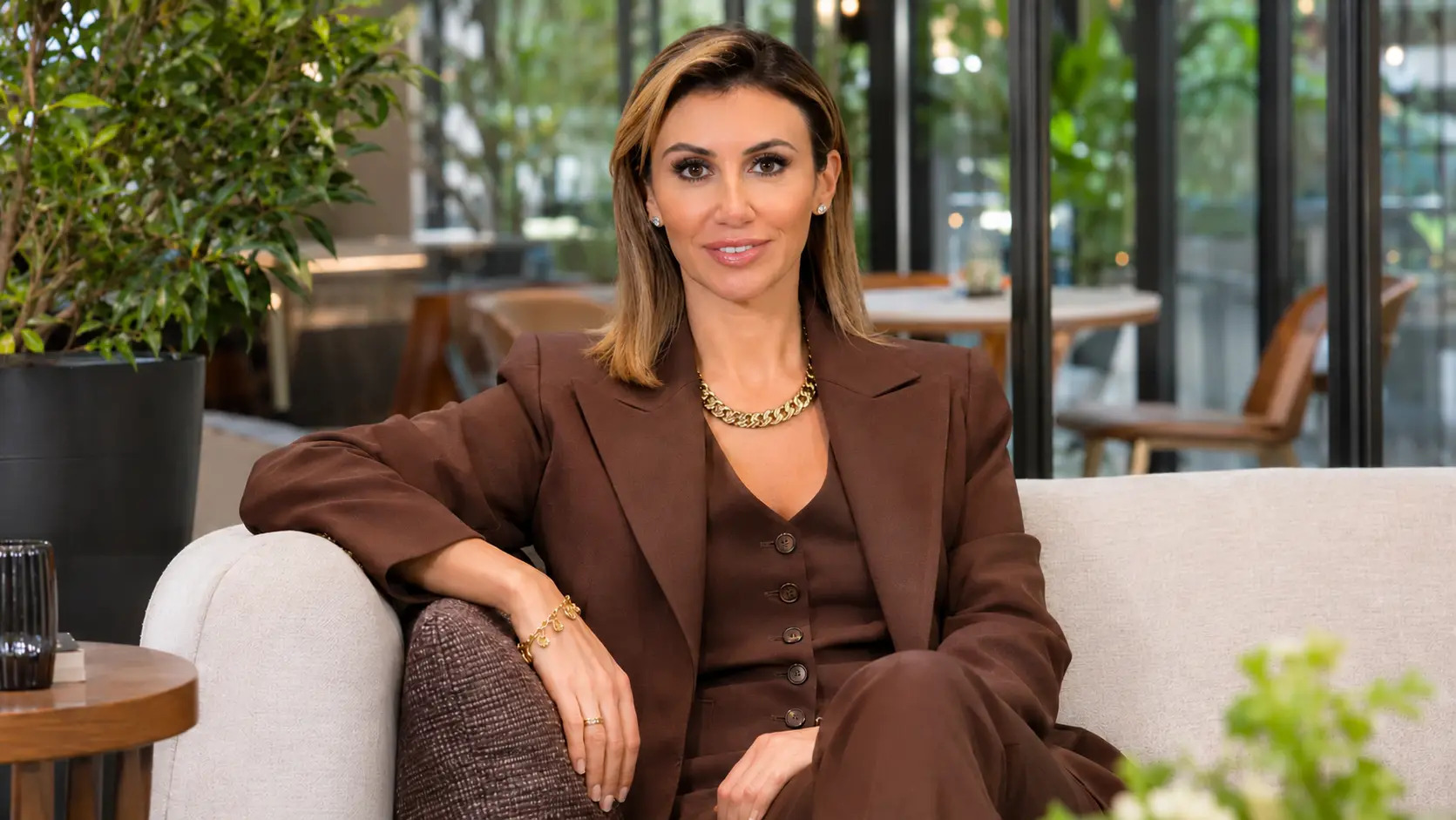

The term Trump lawyer attracts attention because Donald Trump has faced several major legal challenges throughout his political and business career. As the 47th president of the United States, Trump has worked with different attorneys on criminal cases, civil lawsuits, business disputes, and presidential matters. His legal team includes experienced trial lawyers, constitutional experts, and legal advisers. However, not every lawyer associated with Trump has the same responsibilities. Some represent him personally, while others provide legal advice to the White House. Understanding these differences helps readers identify the attorneys behind his most important legal decisions.
Who Is Donald Trump’s Lawyer? A brief biography
| Full Name | Alina Saad Habba |
| Date of Birth | 25 March 1984 |
| Age | 42 years (2026) |
| Birthplace | Summit, New Jersey, USA |
| Nationality | American |
| Profession | Lawyer, Political Adviser |
| Education | Lehigh University, Widener University |
| Law Degree | Juris Doctor (JD) |
| Known For | Representing Donald Trump |
| Former Client | Donald Trump |
| Law Firm | Habba Madaio & Associates |
| Political Association | Republican Party |
| Former Position | Counselor to the President |
| Government Experience | Acting U.S. Attorney for New Jersey |
| Legal Specialisation | Civil Litigation |
Who Is Donald Trump’s Lawyer in 2026?
Donald Trump does not have just one lawyer handling every legal matter. Instead, he relies on several attorneys with different areas of experience. His personal legal team works on private lawsuits, appeals, business disputes, and other matters involving his interests. Different lawyers may join or leave depending on the case, court requirements, and legal strategy. Boris Epshteyn has become an important figure in coordinating Trump’s personal legal representation. Other attorneys, including Alejandro Brito and David Epstein, have also appeared in matters involving the president. Their responsibilities depend on individual cases and legal filings.
It is also important to understand the difference between a personal attorney and White House counsel. A personal attorney represents Trump’s private interests in court and other legal disputes. White House counsel, however, advises the president and government staff about official responsibilities. These positions have different legal duties and professional boundaries. For example, an attorney defending Trump in a private business lawsuit does not automatically represent the entire presidential administration. This distinction helps explain why several people are described as a Trump lawyer in news reports, even though their actual responsibilities can be very different. Read More : The Weekend Face
Boris Epshteyn and His Role in Trump’s Legal Team
Boris Epshteyn is one of the prominent legal advisers associated with Donald Trump’s personal legal team. He has maintained a relationship with Trump since his earlier presidential campaigns. Over the years, he has become an important political and legal adviser. His role has involved coordinating discussions between Trump and other attorneys handling different legal matters. Although he is a lawyer by profession, his responsibilities are not limited to appearing before judges. He is particularly known for his involvement in legal strategy and communication within Trump’s circle.
Epshteyn’s influence has attracted considerable attention from political observers and legal professionals. Reports have described him as a central figure in managing relationships with Trump’s personal attorneys. However, individual lawyers remain responsible for their court filings, legal arguments, and professional obligations. This distinction matters because legal advice and courtroom representation are not always performed by the same person. Epshteyn’s involvement demonstrates how political relationships and professional legal services can overlap in high-profile cases. His position also reflects Trump’s preference for maintaining a closely connected group of advisers.
Will Scharf and the White House Legal Team
Will Scharf is another important name connected to Trump’s legal background. He previously served as one of Trump’s personal attorneys and participated in significant legal proceedings. His experience includes federal prosecution and constitutional law matters. Trump selected Scharf to become White House counsel, with the transition scheduled for September 2026. This appointment placed him in an important position within the presidential administration. His responsibilities are different from those of attorneys representing Trump in private lawsuits. He provides legal guidance concerning presidential duties and the administration’s official activities.
The White House counsel plays an important role in managing legal questions involving the presidency. These responsibilities can include executive orders, government policies, congressional investigations, and official presidential decisions. Scharf’s experience as a former Trump attorney gives him familiarity with the president’s legal environment. However, his government position should not be confused with private legal representation. The White House legal office serves the institution of the presidency rather than acting as an ordinary personal law firm. This difference is important when understanding the broader Trump legal team in 2026.
Major Legal Cases Handled by Trump’s Lawyers
Donald Trump’s attorneys have worked on several major legal disputes involving business activities, elections, presidential powers, and personal allegations. One important example is the New York civil fraud case involving the Trump Organization. The lawsuit concerned financial statements and the reported values of business assets. Trump’s legal representatives challenged the allegations and appealed important court decisions. Another significant matter involved writer E. Jean Carroll, whose defamation lawsuit resulted in an $83.3 million jury award. Trump’s attorneys have continued pursuing legal options concerning that judgment.
His lawyers have also handled criminal proceedings and constitutional questions. One widely discussed case involved a payment connected to Stormy Daniels before the 2016 presidential election. Trump was convicted on 34 felony counts of falsifying business records in New York. His attorneys have challenged the conviction through the appeals process. Other legal matters have involved presidential immunity and disputes connected to the January 6 Capitol attack. These cases demonstrate the different challenges facing Trump’s legal representatives. Each proceeding requires a separate legal approach based on its facts, applicable laws, and court procedures.
Robert Giuffra and Trump’s High-Profile Appeals
Robert Giuffra is a prominent attorney associated with Trump’s legal representation in major New York cases. He is a co-chair of Sullivan & Cromwell, a well-known international law firm. His work for Trump has included important appellate matters involving civil fraud litigation and the E. Jean Carroll defamation judgment. Appeals require lawyers to examine legal decisions carefully and explain why a higher court should reconsider them. This work involves detailed research, legal writing, and knowledge of court procedures. Giuffra’s involvement highlights the importance of experienced appellate attorneys in complicated legal disputes.
Trump’s legal team has also experienced changes in its membership. Several attorneys who previously worked on his cases have moved to other firms or accepted government positions. These changes can affect how legal responsibilities are distributed across different cases. However, a departing lawyer does not automatically mean that a case has ended or that the client’s legal position has changed. Other attorneys can continue representing the client and managing pending appeals. Giuffra’s role demonstrates why experienced legal professionals remain important when major cases move between trial courts and appellate courts.
What Makes Trump’s Legal Strategy Different?
Trump’s legal strategy often involves challenging allegations through courtroom arguments, appeals, and constitutional questions. His attorneys examine the legal basis of each claim and decide which arguments may provide the strongest defence. In some situations, they challenge how evidence was collected or presented. In others, they question whether a particular court has authority over the dispute. These approaches are common parts of legal practice, although their success depends on the facts and applicable laws. A lawyer cannot guarantee a favourable decision simply by presenting a strong argument.
Another important feature is the involvement of multiple lawyers with different professional backgrounds. Criminal defence attorneys, business litigators, and constitutional specialists can contribute different skills. For example, a criminal lawyer may focus on courtroom evidence, while an appellate attorney concentrates on legal errors and written arguments. This division of responsibilities allows a legal team to address complicated matters more effectively. However, every attorney must follow professional conduct rules and represent the client’s interests within the law. These responsibilities remain important regardless of a client’s political position or public profile.
How to Identify Trump’s Current Lawyer?
Finding the correct Trump lawyer depends on the specific case being discussed. News reports sometimes use the term for personal attorneys, former legal representatives, political advisers, or government lawyers. These descriptions can create confusion, especially when several attorneys appear in different proceedings. The most reliable way to identify an attorney is to examine the relevant court filing. Court documents usually list the lawyers formally representing a party in that particular case. This information can help readers distinguish between an active attorney and someone who previously worked with Trump.
Readers should also consider the publication date of legal news. Trump’s legal team has changed over time, and an attorney who represented him several years ago may no longer hold the same position. For example, Rudy Giuliani, Michael Cohen, and several other former attorneys have been widely associated with Trump’s earlier legal matters. Their historical involvement does not mean they currently represent him. Checking recent reporting and official court records provides a clearer picture. This simple approach helps readers avoid outdated information when searching for Donald Trump’s legal representatives.
Frequently Asked Questions About Trump Lawyer
1. Who is Trump’s main lawyer in 2026?
Boris Epshteyn is a central figure in coordinating Trump’s personal legal team.
2. Is Will Scharf Trump’s lawyer?
He previously represented Trump and became White House counsel in September 2026.
3. Who is Boris Epshteyn?
He is a lawyer and longtime political and legal adviser to Donald Trump.
4. Does Donald Trump have multiple lawyers?
Yes, different attorneys handle his personal lawsuits, appeals, and other legal matters.
5. Who handles Trump’s major appeals?
Robert Giuffra is among the prominent attorneys handling his high-profile appeals.
Conclusion
The Trump lawyer topic covers much more than one attorney or courtroom appearance. Donald Trump has relied on different legal professionals throughout his business career and political journey. Boris Epshteyn, Will Scharf, Robert Giuffra, and other attorneys have played different roles in his legal affairs. Some focus on private lawsuits, while others handle presidential responsibilities or major appeals. Understanding these differences helps readers follow important legal developments without confusion. As Trump’s legal matters continue, his representation may change. Readers interested in American politics can also explore our related coverage of US political news and major legal developments.











One thought on “Trump Lawyer: Who Represents Donald Trump in 2026?”