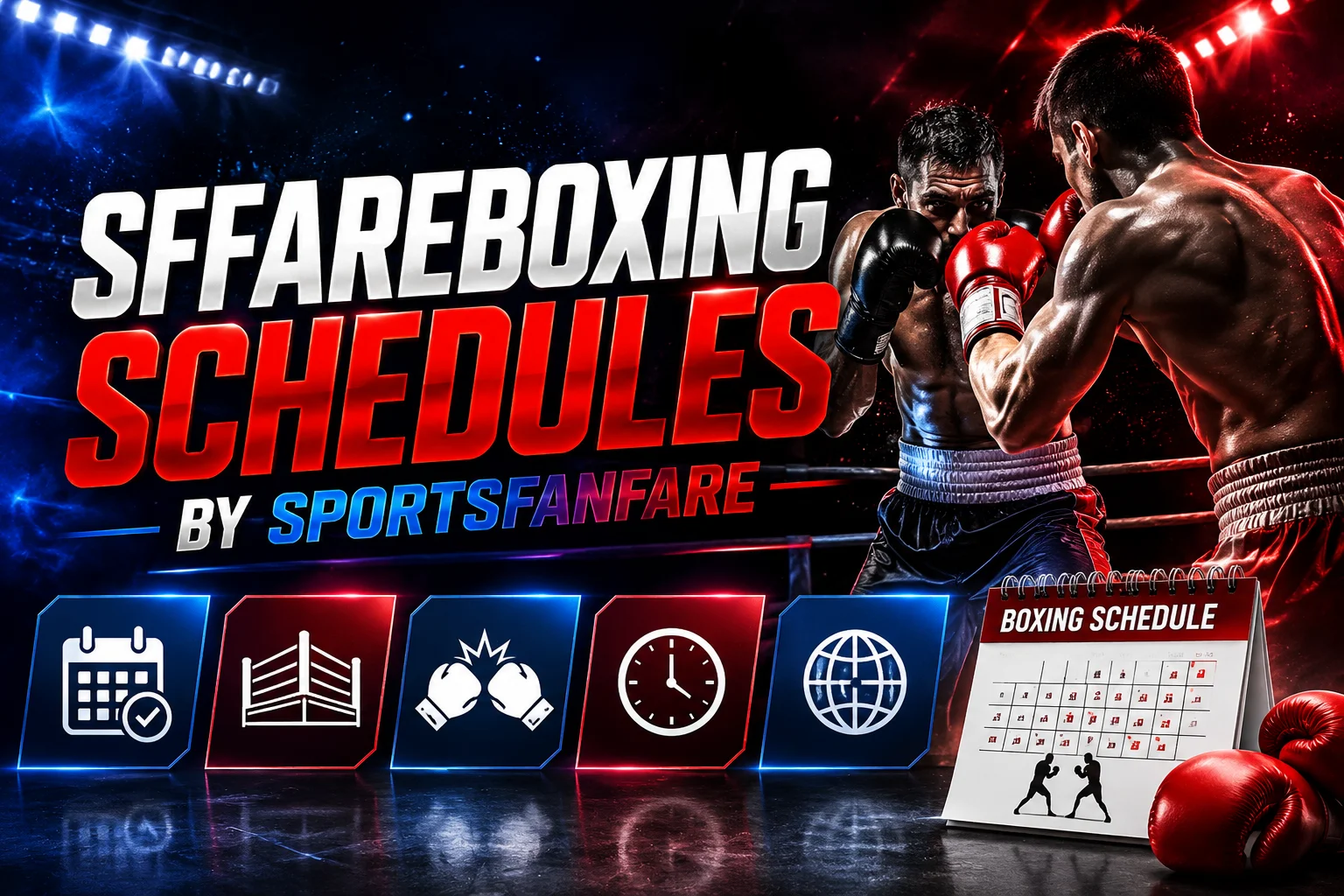

If you are searching for boxing schedules, the phrase sffareboxing schedules by sportsfanfare is likely the information you want. It points readers toward a schedule-focused resource connected with boxing coverage. A useful boxing schedule should make it easy to understand when fights happen, which matchups are listed, and where to find updates. For beginners, schedules can seem confusing because dates, local times, venues, and fight cards often change. This guide explains how to read schedule information clearly and what details deserve attention. It also covers practical ways to organize upcoming bouts, compare events, and avoid relying on outdated listings when planning to watch a boxing event.
What Are Sffareboxing Schedules by SportsFanFare?
The phrase sffareboxing schedules by sportsfanfare can be useful when your main goal is finding boxing event timing. Rather than searching through unrelated boxing news, readers can focus on schedule details first. A good boxing schedule normally presents event dates, start times, featured fights, and sometimes additional card information. However, the exact details can change before an event begins. That is why readers should check the latest available schedule information whenever they plan to watch a fight. Understanding the basic layout also helps beginners quickly identify the main event and supporting bouts. With a simple approach, schedule research becomes faster, clearer, and much easier to follow.
Understanding Boxing Event Times
A boxing schedule is more than a list of dates. It helps fans plan around fight nights and understand how an event is organized. When using sffareboxing schedules by sportsfanfare, readers should first look for the event date and advertised start time. Next, check the featured matchup and any other bouts included on the card. Some events have several fights before the main attraction, so the headline fight may begin later than the advertised event time. This difference matters when planning your evening. A clear schedule should separate event information from individual fight information, making it easier to understand what happens first and what comes later.
Another important detail is the time zone. Boxing events may be promoted in one country’s local time while viewers live somewhere else. For anyone following sffareboxing schedules by sportsfanfare, converting the listed time to your own location can prevent missed fights. A schedule may show a date that feels different after conversion, especially when an event begins late at night. Also, broadcast or streaming start times do not always mean the main event starts immediately. Several preliminary bouts can happen first. For that reason, readers should treat the headline fight time as an estimate unless an official start time has been confirmed close to the event. Read More : Mike Krieger and Toshihiro Suzuki: Key Facts
Benefits of Using a Focused Boxing Schedule
The biggest advantage of sffareboxing schedules by sportsfanfare is the convenience of having schedule information in one focused place. Boxing fans often follow several events across different weekends, and scattered information can become difficult to manage. A schedule-centered page can help readers see what is coming without reading every article about a fighter. It is especially useful for casual viewers who only want dates, matchups, and basic timing. However, convenience should not replace careful checking. Fight cards can change because of injuries, contract issues, travel problems, or other circumstances. Keeping an eye on the latest listing helps readers avoid planning around information that is no longer current.
For regular boxing followers, sffareboxing schedules by sportsfanfare can also support simple event planning. You might save important dates, compare several fight cards, or create a personal weekend viewing list. Start by recording the event date, expected start time, and main matchup. Then add any preliminary fights that interest you. This method keeps the information short and useful. It also makes it easier to notice schedule changes. If a fight is postponed or moved, update your notes immediately. A personal schedule should always be treated as a planning tool, not as a replacement for the newest event information available from the relevant boxing source.
How to Read a Boxing Fight Card
When reading sffareboxing schedules by sportsfanfare, beginners should understand the difference between an event and a single fight. A boxing event can contain many bouts, while the main event is usually the headline matchup. The advertised card may also include co-main events, undercard fights, and preliminary bouts. These categories help viewers understand why one event can have several different start times. If you only care about one fighter, find that bout within the full card rather than assuming the event start equals fight start. This small distinction can save time and reduce confusion when a long fight night contains multiple scheduled matchups.
Schedule information can change for many normal reasons, so readers should avoid treating an old listing as permanent. This is particularly important when using sffareboxing schedules by sportsfanfare to plan around a major fight. A fighter may withdraw, a bout may be replaced, or an event may move to another date. Weather, venue issues, broadcasting decisions, and regulatory requirements can also affect timing. Good schedule habits therefore include checking the page again before the event and looking for clear update notes. If two listings disagree, use the newest reliable information rather than choosing the time that appears first in search results.
Matching Search Intent With Schedule Content
Search intent matters when someone looks for sffareboxing schedules by sportsfanfare. Most readers using this phrase are probably seeking practical schedule information, not a long biography of a boxer. The best experience should therefore answer simple questions quickly: When is the event, what fights are listed, and what time should viewers expect them? Content should stay focused on those needs. Extra boxing commentary can be helpful, but it should not hide the schedule itself. Clear headings, short explanations, and organized event details make schedule pages easier to scan. This approach also works well for mobile readers who want an answer without navigating through unnecessary information.
A helpful way to use sffareboxing schedules by sportsfanfare is to compare schedule details with your own viewing plans. For example, if an event begins during your afternoon, you can decide whether to watch the full card or only the headline bout. If the event begins late, you may prefer to check the expected main-event timing before making plans. Remember that boxing schedules often provide approximate timings because earlier fights can finish quickly or run longer than expected. Building some extra time into your plan is sensible. This simple habit makes the viewing experience more relaxed and reduces the chance of missing an important matchup.
Using Sffareboxing Schedules for Boxing Research
Readers can also use sffareboxing schedules by sportsfanfare as a starting point for broader boxing research. Once you know an event date, you may want to learn about the fighters, divisions, records, or previous performances. However, those topics should come after confirming the basic schedule. A useful reading path is to begin with the event date, identify the main matchup, review the supporting card, and then explore fighter information. This order keeps research organized. It also helps prevent a common mistake: spending time reading about a fight before realizing that the matchup or event date has changed.
Mobile readers need schedule content that is especially easy to scan. If you arrive at sffareboxing schedules by sportsfanfare from a phone, look for clear dates, readable times, and distinct fight names. Avoid relying on large blocks of text when a simple schedule layout can provide the same information faster. If you are publishing related content, useful internal pages could include a boxing news guide, a boxing rules explainer, or a beginner’s guide to fight cards. These internal links can help readers continue learning without leaving the main site. The key is to keep every supporting link relevant to the reader’s immediate boxing question.
Keeping Boxing Schedule Information Trustworthy
Trust is important whenever schedule information influences viewing plans. Sffareboxing schedules by sportsfanfare should be approached as schedule-focused information that readers may need to recheck before an event. The most trustworthy schedule pages make changes visible and avoid presenting estimates as guaranteed times. Readers should also distinguish between confirmed event dates and expected timings. If a page does not clearly explain whether a time is approximate, use caution. A responsible approach is simple: verify important details near fight night, especially for major events. This protects readers from outdated information and creates a more dependable experience when schedules change unexpectedly.
For readers comparing several boxing schedule sources, consistency is a useful quality signal. When checking sffareboxing schedules by sportsfanfare, look for information that is organized, current, and easy to understand. Compare the listed event date, fight card, and timing when another reliable listing is available. You do not need to read every boxing article to confirm a basic schedule. Instead, focus on the details that affect your plans. If information conflicts, investigate the difference before deciding. This habit is valuable for beginners and experienced fans because boxing events can change quickly, and an accurate schedule is more useful than an attractive but outdated page.
Frequently Asked Questions
What does sffareboxing schedules by sportsfanfare mean?
It refers to a search phrase focused on boxing schedule information. Readers generally use it when looking for upcoming events, fight cards, dates, and expected timings in an easy-to-follow format.
Why can boxing fight times change?
Boxing times can change because earlier bouts may finish sooner or later than expected. Fighter withdrawals, event changes, venue issues, or broadcasting decisions can also affect the planned schedule.
Is the main event time always exact?
No. The advertised event time and main-event time can differ. Earlier fights usually happen first, so the headline bout may start later than the time initially shown.
How should I handle boxing time zones?
First identify the schedule’s stated time zone. Then convert it to your local time before planning to watch. This is especially important for international boxing events held late at night.
Should I check the schedule again before a fight?
Yes. Checking the latest available information before an event is a smart habit. Fight cards and timings can change, so an earlier schedule may not always reflect the newest plans.
Conclusion
Finding boxing information should be simple, especially when your main goal is knowing when fights happen. Sffareboxing schedules by sportsfanfare can serve as a focused search phrase for readers looking for schedule-related content. The most useful approach is to check event dates, expected times, main matchups, and supporting bouts in an organized way. Always consider time zones and remember that fight timings may change during an event. Before making firm plans, review the newest available schedule details. If you want more context, continue with related internal resources such as our boxing news guide or beginner boxing glossary. That way, schedule research stays practical and easy.