
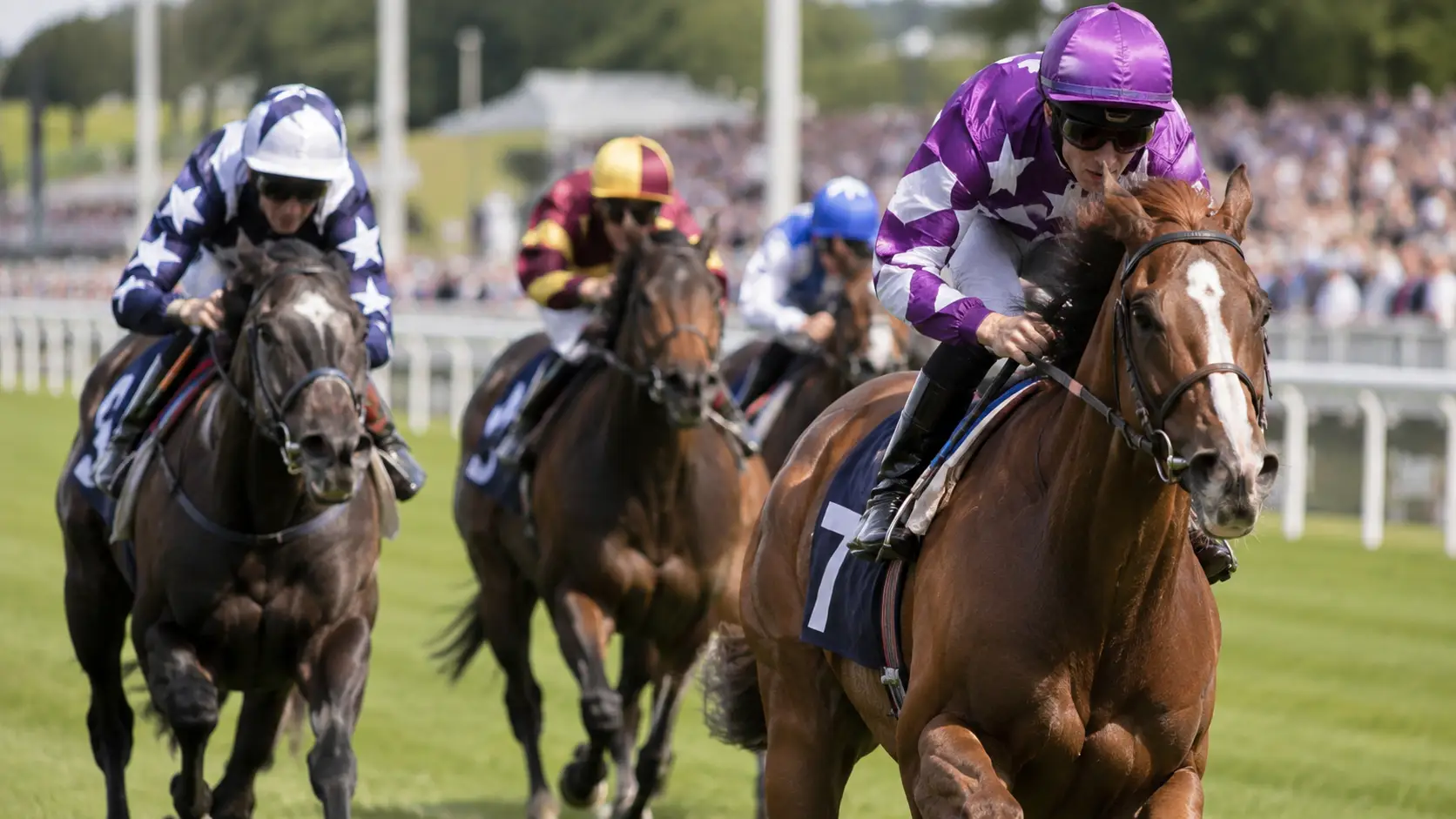

Templegate tips are popular among horse racing enthusiasts who follow British and Irish racing and want to explore expert selections before upcoming races. Published under a long-established newspaper tipping identity, these recommendations highlight horses that the tipster considers worth watching across different racecourses and competitions. Daily coverage can include a NAP, a Next Best selection and additional picks for important races. However, understanding a racing tip involves more than simply knowing which horse has been selected. Factors such as recent form, race distance, ground conditions, trainer performance and available odds can all influence a horse’s chances. This guide explains how Templegate tips work, who writes under the Templegate name and how readers can assess racing recommendations more carefully.
What Are Templegate Tips?
Templegate tips are horse racing selections published under a recognised British newspaper tipping identity. The column highlights horses that its tipster considers to have competitive chances in upcoming British and Irish races.
The recommendations cover different racing formats, including Flat racing, National Hunt events, handicaps and major meetings. Depending on the daily racing schedule, readers may find a principal selection, a Next Best recommendation and additional horses highlighted for particular races.
The purpose of these selections is to provide readers with an informed starting point when assessing upcoming competitions. Each recommendation represents the tipster’s opinion rather than a guaranteed result.
Templegate has remained a familiar name among British racing followers because of its association with newspaper horse racing coverage. The identity is currently associated with racing journalist Steve Mullen.
Who Is Templegate? Meet Steve Mullen
Templegate is a long-running professional tipping identity associated with British newspaper horse racing coverage. The name has been used over many years, which means historical selections should not automatically be attributed to the current writer.
Steve Mullen is the journalist currently associated with the Templegate name. His work involves providing racing selections and commentary for readers interested in British and Irish horse racing.
The column covers different types of races and meetings throughout the racing calendar. Its recommendations can include Flat racing, National Hunt competitions, handicaps and major racing festivals.
Understanding the difference between the Templegate identity and the individual writing under it is useful when researching historical selections or evaluating the current tipster’s record.
Understanding Different Templegate Racing Selections
Templegate tips may include several selection labels. Each has a different purpose, and understanding the terminology helps readers interpret the recommendations correctly.
NAP Selection
NAP is a traditional term used in British horse racing tipster columns. It identifies the tipster’s strongest selection of the day.
The term comes from Napoleon, a card game, and has become part of traditional British racing terminology.
A NAP indicates that the tipster has more confidence in that particular horse than in their other daily recommendations. However, it is still an opinion, not an official rating or guarantee of victory.
When reviewing a NAP, readers should consider the horse’s recent performances, race distance, competition and suitability for the racing conditions.
Next Best (NB)
NB stands for Next Best. It identifies another horse that the tipster considers a strong recommendation after the main NAP.
The Next Best selection may come from a different racecourse or racing category. It gives readers another recommendation to consider rather than suggesting that the NAP is the only horse worth following.
Treble Selection
A treble selection is an additional horse highlighted in a tipster’s daily recommendations.
The term treble can also describe a betting combination involving three selections. In a standard win-only treble, all three horses must win for the accumulator to produce a return.
However, a third highlighted selection in a tipster column should not automatically be interpreted as an instruction to combine every recommendation into one accumulator. Readers should distinguish between a selection label and the type of bet they choose to place.
Each-Way Selection
An each-way bet has two parts: a win bet and a place bet.
The win portion pays if the horse wins, while the place portion may pay if the horse finishes within the qualifying positions. The number of places and the fraction of the odds paid depend on the race conditions and bookmaker terms.
Each-way terms can vary according to the number of runners and the specific betting offer. Readers should always check the terms before placing a wager.
Ante-Post Tips
Ante-post selections are recommendations made before a major race takes place, sometimes weeks or months in advance.
They are particularly common before major events such as the Cheltenham Festival, Grand National and Royal Ascot.
Ante-post betting carries additional uncertainty because a horse may be withdrawn or fail to participate. The applicable non-runner rules can also differ from ordinary race-day betting terms.
How Does Templegate Select Horses?
Evaluating a horse for an upcoming race involves more than looking at its previous victories. A tipster needs to consider the horse’s performance history, the conditions of the race and the quality of its opposition.
The following factors are useful for understanding why a horse may attract attention in a racing selection.
Recent Racing Form
Recent form is one of the most important factors when evaluating a horse.
A horse that has performed consistently in recent races may deserve attention, particularly if it has competed against strong opposition.
However, finishing positions do not tell the complete story. A horse that finishes second after encountering difficulties may have performed better than one that wins a weaker race comfortably.
Readers should consider the overall performance, the strength of the competition and any problems the horse encountered during its previous outing.
Distance and Stamina
Every horse has different racing characteristics. Some perform best over shorter distances because of their speed, while others need longer races to demonstrate their stamina.
A change in distance can therefore have a significant influence on performance.
For example, a horse stepping up from two miles to three miles needs to demonstrate that it can maintain its pace over the longer journey. Previous performances over similar distances can provide useful information.
Ground Conditions
The condition of the racing surface is another important consideration.
Terms such as firm, good, soft and heavy describe different racing conditions. Some horses perform well on softer ground, while others are more effective on firmer surfaces.
Checking previous performances under similar conditions can help readers understand whether a horse is likely to handle the day’s going.
Trainer and Jockey Form
A trainer prepares the horse for competition, while the jockey makes important decisions during the race.
Both can influence the outcome. A trainer with a strong recent record may have several horses in good condition. Similarly, an experienced jockey may understand how to manage pace, position and jumping during a competitive event.
However, a well-known trainer or jockey does not guarantee success. Their records should be considered alongside the horse’s individual form and the race conditions.
Handicap Ratings and Weight
Handicap racing is designed to create competitive conditions by assigning different weights to horses according to their assessed abilities.
A horse carrying additional weight may face a greater challenge, while one with a favourable rating could have an opportunity to perform well.
Understanding a horse’s handicap mark can help readers assess whether it appears fairly treated compared with its competitors.
Which Horse Racing Events Does Templegate Cover?
Templegate provides coverage across the British and Irish racing calendar. The selections can change depending on the daily schedule, with additional attention given to major racing meetings.
Cheltenham Festival
The Cheltenham Festival is one of the most important events in National Hunt racing.
It features championship races involving leading hurdlers and steeplechasers from Britain and Ireland. The meeting attracts considerable attention from racing fans, trainers, jockeys and tipsters.
Templegate coverage during the Festival is particularly relevant to readers following the leading contenders and major championship races.
Grand National
The Grand National is one of the most recognisable horse races in the world. Held at Aintree, the race features a demanding course and requires stamina, jumping ability and effective race management.
Assessing potential contenders involves more than looking at previous victories. Experience over fences, suitability for the distance and the horse’s recent form are also important considerations.
Royal Ascot
Royal Ascot is a prestigious Flat racing meeting held in England.
It attracts leading horses, trainers and jockeys from different countries. The meeting includes several important races, making it a significant part of the annual racing calendar.
Other British and Irish Meetings
Templegate also covers regular weekday meetings and other important racing events.
Depending on the schedule, selections may include:
- Handicap races
- Novice hurdles
- Steeplechases
- Flat racing competitions
- All-weather racing
- Group and graded races
- Major weekend meetings
This variety makes the column relevant to followers of different racing disciplines.
How Accurate Are Templegate Tips?
The accuracy of horse racing tips should be evaluated using recorded results rather than reputation or a small number of successful selections.
Even experienced tipsters cannot predict every race correctly. Horses can encounter traffic problems, make jumping mistakes, struggle with ground conditions or perform below expectations.
A useful way to evaluate Templegate is to examine its complete historical record over a clearly defined period.
Important performance measurements include:
Strike Rate: The percentage of selections that win.
Return on Investment (ROI): The profit or loss generated compared with the total amount staked.
Level-Stakes Profit: The financial result when the same amount is placed on every selection.
Average Odds: The average price available for the recommended horses.
These measurements provide a more balanced picture than simply counting winning selections.
A tipster can have a relatively low strike rate but still generate a positive return if the winning horses regularly offer sufficiently high odds. Conversely, frequent winners do not automatically mean a profitable record.
Readers should distinguish between independently recorded results and promotional claims. A transparent record should include losing selections, the prices used and the period covered.
How to Evaluate Templegate Tips Before Following a Selection
A racing tip can provide a useful starting point, but readers should understand the horse and the race before making a decision.
Consider the following factors:
- Check recent form: Examine the horse’s latest performances and the quality of its previous opposition.
- Review the distance: Consider whether the horse has demonstrated suitable speed or stamina.
- Examine the going: Check whether the racing surface matches the horse’s previous successful conditions.
- Compare handicap ratings: Determine whether the horse appears fairly treated against its competitors.
- Review the jockey: Consider the rider’s experience and familiarity with the horse.
- Check the odds: Compare the available price with your assessment of the selection.
- Consider the competition: A horse may have strong recent form but still face several difficult opponents.
This approach helps readers make informed decisions instead of following selections without understanding the reasons behind them.
Are Templegate Tips Suitable for Beginners?
Yes. Templegate selections can help beginners become more familiar with British horse racing.
The NAP and Next Best labels provide a simple starting point, while additional race commentary can introduce readers to concepts such as form, odds and racing conditions.
However, beginners should understand basic betting terminology before placing any wagers. Learning about fractional odds, each-way terms and accumulator bets can help prevent confusion.
A tipster’s recommendation represents an opinion, not a guaranteed outcome. Beginners should also remember that horse racing betting involves financial risk.
Is Templegate’s Full Racing Service Free?
Readers should check the access terms before expecting to see every Templegate selection.
The full daily service, including selections for UK races and additional racing commentary, has been offered through a paid membership area. Access arrangements and subscription prices can change, so readers should check the current terms before subscribing.
This distinction matters because a publicly visible headline selection is not necessarily the same as access to the complete daily service.
Responsible Horse Racing Betting
Horse racing betting involves financial risk, and even carefully researched selections can lose.
Templegate tips should be treated as information for evaluating races rather than a reliable method of generating income.
Anyone choosing to bet should:
- Set a spending limit before placing a wager.
- Only use money they can afford to lose.
- Avoid increasing stakes to recover previous losses.
- Understand the odds and terms before betting.
- Follow the legal age and betting requirements where they live.
A responsible approach focuses on entertainment, affordability and realistic expectations rather than guaranteed profits.
Frequently Asked Questions About Templegate Tips
1. What are Templegate tips?
Templegate tips are horse racing selections published under a British newspaper tipping identity covering British and Irish races.
2. Who is the current Templegate tipster?
Steve Mullen is currently associated with the Templegate tipping identity.
3. What does Templegate NAP mean?
NAP identifies the tipster’s principal horse racing selection for the day.
4. What does NB mean in Templegate tips?
NB means Next Best. It identifies another recommended horse after the main NAP.
5. Are Templegate tips available every day?
Selections are published according to the racing schedule and editorial coverage, so the number of daily recommendations can vary.
6. Does Templegate cover the Cheltenham Festival?
Yes. Templegate coverage includes major British and Irish racing events, including the Cheltenham Festival.
7. What is a treble selection?
A treble selection is an additional horse highlighted by the tipster. A treble bet can also mean a three-selection accumulator.
8. Are Templegate tips guaranteed winners?
No. They are racing opinions, and every selection carries the risk of losing.
9. Can beginners follow Templegate tips?
Yes. Beginners can use the selections to learn about racing, but they should understand odds, horse form and betting risks first.
10. Is the full Templegate service free?
The full daily selection service has been offered through a paid membership area. Readers should check the latest access terms before subscribing.
Conclusion
Templegate tips have become a familiar part of British horse racing coverage, offering selections across different racecourses and competitions. The NAP, Next Best and additional recommendations provide readers with a starting point for understanding upcoming races.
Steve Mullen currently writes under the Templegate identity, continuing a tipping tradition associated with British racing. However, the value of any selection depends on more than its label. Recent form, race distance, ground conditions, handicap ratings and available odds all deserve attention.
By understanding the terminology, reviewing the reasoning behind selections and checking the complete results record, readers can approach Templegate tips with more knowledge and realistic expectations. Whether following ordinary racing fixtures or major events such as Cheltenham and the Grand National, informed evaluation is more useful than relying on predictions alone. Explore More : Sam Thompson














One thought on “Templegate Tips: Horse Racing Picks and Racing Guide”